
Home
Convocation 2026
 Centenary Celebrations
Centenary Celebrations
 Admissions
 Academics
 Student Life
| Abstract | Owing to superior properties, i.e. high hardness, high wear resistance, and weight reduction of transparent ceramics (TCs) over glasses. TCs have shown promising tribological potential for applications such as face shields, explosive ordnance visors, windows for aircraft, spacecraft and, re-entry vehicles, electromagnetic windows, laser igniter windows, screens for smartphones and more. Researchers globally have been attracted to explore more about TCs, considering the tremendously increasing demand over different other transparent materials. The optical quality of TCs is mostly characterized by the in-line transmittance, and the effect of various processing parameters on transmittance has already been studied by various researchers. In this review, the current research progress regarding tribological performance of TCs is compiled. TCs with potential in tribological applications include MgAl2O4, Al2O3, AlON, Lu2O3, c-BN, Y2O3, Si3N4, and SiAlON. The relevant strategies to improve the tribological properties, including microstructures and mechanical properties are comprehensively discussed. |
| Faculty |
Dr. Sandan Kumar Sharma
|
|
sandan@pec.edu.in
|
|
| Collaborations | Institute of Science and Technology for Ceramics, National Research Council (CNR ISTEC), Italy |
| More Information |
| Abstract | Today's machine components have more power, so researchers have to engineer materials that can withstand high-speed dry sliding stress. Consequently, this study examined dry sliding wear in an Austempered ductile iron (ADI) with fine ausferrite microstructure and low retained austenite. In addition, a chrome steel counterbody ball with a hardness of 60 HRC was evaluated. The wear rate, coefficient of friction and wear mechanisms were investigated. Two friction and wear regimes were identified. In the first regime of wear, wear rate increases from 21.68 to 36.29 x 10⁻⁶ mm3/Nm at low pressure; however, with high pressure, it decreases from 36.29 to 17.06 x 10⁻⁶ mm3/Nm. In second regime, at higher speed range, wear rate decreased from 17.68 to 3.11 x 10⁻⁶ mm3/Nm with applied pressure range. This behaviour well explained by the strain hardening of filmy austenite, causing compressive stress development in the neighbourhood, resulting in ADI becoming tougher at higher pressures and speeds in response. |
| Faculty |
Dr. Sandan Kumar Sharma
Dr. Pavol Hvizdoš
Dr. Michael J. Reece
Dr. Salvatore Grasso E-mail addresses
|
|
sandan@pec.edu.in
|
|
| Collaborations | Queen Mary University of London, London, UK and Slovak Academy of Sciences, Slovakia |
| More Information |
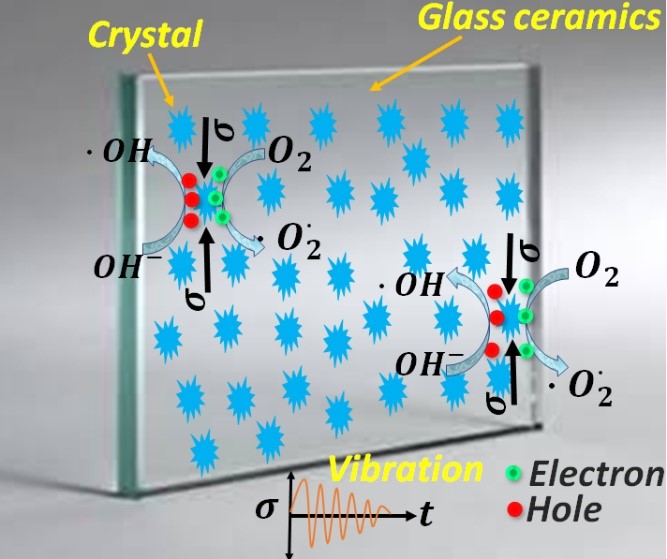
| Abstract | Transparent glass nanocomposites comprising piezoelectric ZnO and β-Zn2SiO4 nanocrystallites in 44SiO2-11Al2O3-35ZnO-10K2O (mol%) glass matrix were explored for piezocatalytic dye degradation application. X-ray diffraction and Raman spectroscopy confirmed the crystalline phases of ZnO and β-Zn2SiO4 in glass-nanocomposites samples. Scanning electron microscopy images evidenced the presence of nanocrystals on the surface of glass-nanocomposites samples. UV-visible spectroscopy revealed the adequate transparency of glass-nanocomposites samples. Piezocatalytic dye degradation experiments were performed with the use of glass-nanocomposites piezocatalysts using sonication energy. Glass-nanocomposites samples were optimized for piezocatalytic dye degradation performance as well as transparency through tuning of heat treatments. It was found that the glass-nanocomposite heat-treated at 750℃-2 hr has shown the best piezocatalytic dye degradation performance and higher transparency among other samples heat treated at 750℃-4 hr and 750℃-6 hr. |
| Faculty |
Moolchand Sharma
|
|
moolchand09@gmail.com
|
|
| Collaborations | IIT Mandi, India |
| More Information |
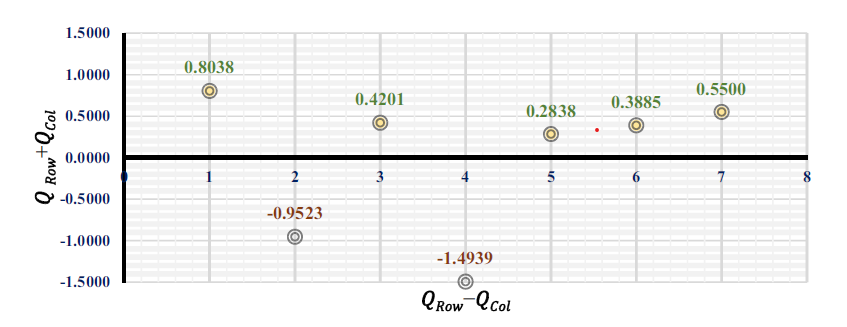
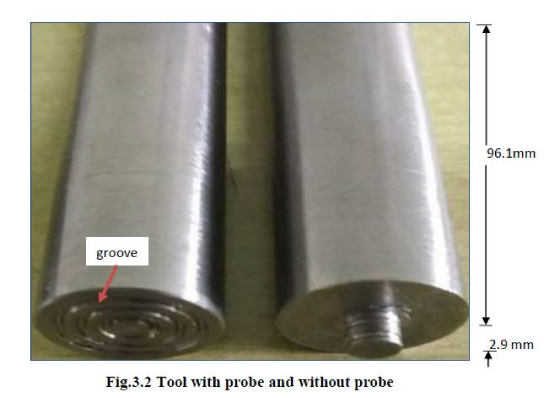
| Abstract | In this article Flat FSSW of three sheets of AA6082 was carried out having thickness of 1mm for each plate. The tool with probe and tool without probe were used for welding process. The use of these tools helps in obtaining the sound quality weld free from keyholes and cracks. The process parameters considered are tool rotational speed of 400, 975 and 1550 rpm, dwell time of 4, 6 and 8 s and plunge depth of 2.6, 2.8 and 3.0 mm. Taguchi analysis was used to optimize the parameters of this investigation for obtaining high tensile strength. An orthogonal array, L9 was applied and analysis of variance (ANOVA) was done to explore the importance of process parameters on various response. |
| Faculty |
Dr. Rajat Upadhyaya
|
|
rajatupadhyaya@pec.edu.in
|
|
| Collaborations | Maharishi University of Information Technology(MUIT) Lucknow, India |
| More Information |
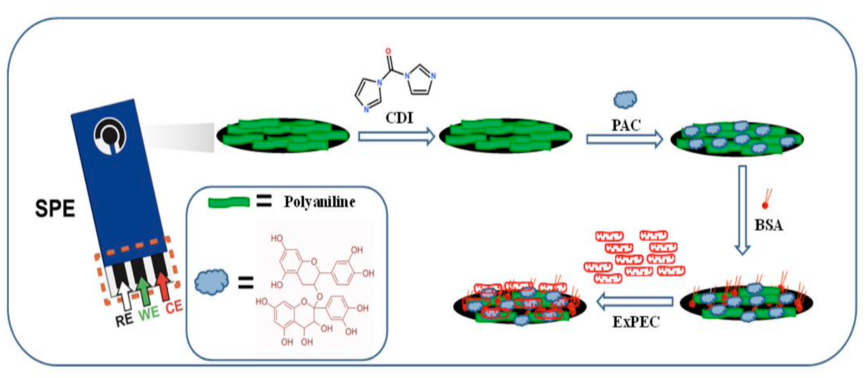
| Abstract | Urinary tract infection (UTI) is a public health concern, estimated to cost billions of dollars in diagnosis and treatment every year. Consumption of cranberry has been correlated with the prevention of UTI, due to the presence of key plant metabolites called polyphenols. We fabricated functionalized screen-printed electrodes (SPEs) and tested the effectiveness of the biosensor for detecting the presence of Escherichia coli (ExPEC) in aqueous suspensions. Results indicated that thewas highly sensitive (limit of quantification of 1 CFU/mL of ExPEC), and its response was linear over the concentration range of 1–70,000 CFU/mL. |
| Faculty |
Dr. Anu Prathap M. U.
|
|
anuprathap@pec.edu.in
|
|
| Collaborations | University of Wisconsin-Madison, United States |
| More Information |
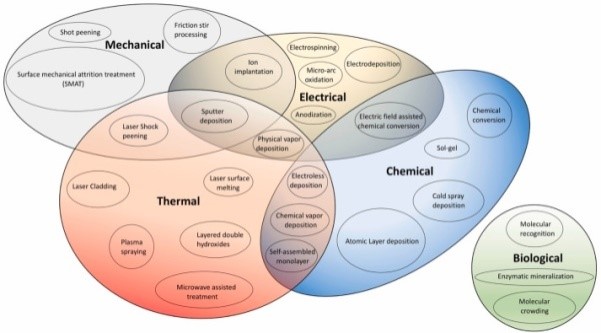
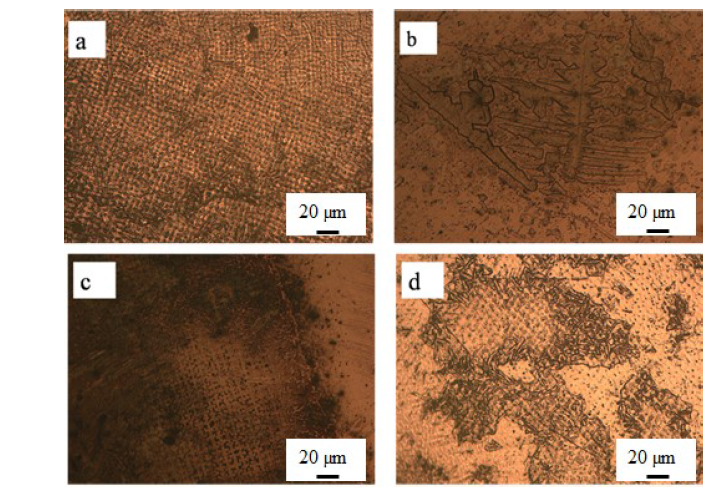
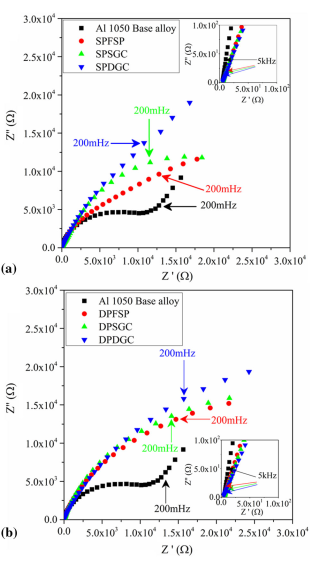
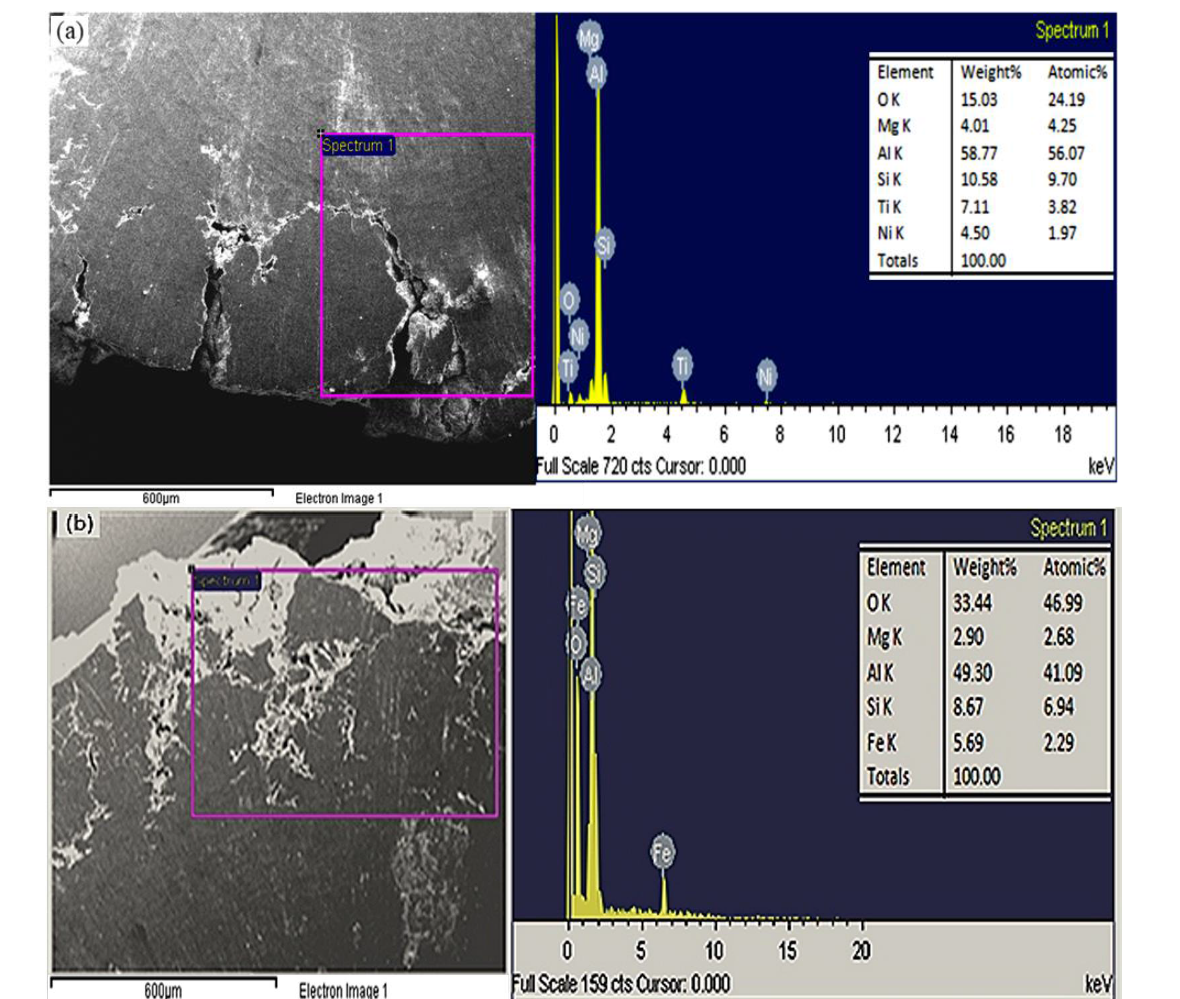
| Abstract | Aluminum alloys find application in aerospace, automobile, and structural sectors. However, these alloys are susceptible to corrosion attack in chloride environments. Introducing a second species on the surface by surface composite fabrication can be a way to increase the corrosion resistance of the aluminum alloys. Here, we present corrosion studies on aluminum matrix surface composites fabricated using friction stir processing. The reinforcement of Mo particles is considered with varying percentage and distribution in the surface composite. The particle content and distribution are analyzed using SEM–EDS and optical image analysis. Based on the potentiodynamic polarization analysis, the surface composites exhibit improved corrosion resistance with higher corrosion potential and lower corrosion rate. Increase in corrosion resistance is observed for higher Mo content with homogenous distribution. While the base alloy exhibit mixed corrosion behavior, the surface composites show charge-transfer controlled corrosion behavior in the Electrochemical Impedance Spectroscopy. Reduced pitting in the Mo-rich areas is confirmed by microscopic analysis of the corroded material. |
| Faculty |
Dr. Mahesh V. P.
|
|
maheshvp@pec.edu.in
|
|
| Collaborations | Indian Institute of Technology (IIT) Gandhinagar, Gujarat&Institute for Plasma Research (IPR), Gandhinagar, Gujarat |
| More Information |
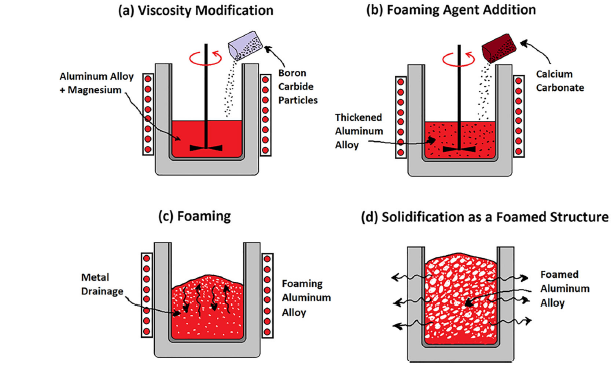
| Abstract | The applications of aluminum foams in the automobile and aerospace sector are growing day by day because of their unique properties such as high specific strength, greater stiffness, and higher energy absorption capacity. In the current work, the Al2024-B4Cp composite foams were developed by the direct foaming method. The effect of different sized B4C particles (fine particles: Average Particle size (APS) 5lm and coarse particles: APS 45lm) and its wt % (2, 4, 6, and 8) on foam characteristics, hardness, quasi-static compressive response, and energy absorption capacity was investigated. Varying B4C particle size and wt % had a significant impact on foam parameters such as foam expansion, relative density, cell size, and cell wall thickness. Hardness increases with increasing wt % of particles and fine particles added foam showed higher hardness than that of coarse particles added foam. An increase in wt % of particles improves the peak stress, plateau stress, and energy absorption capacity. Coarse particles added foam showed superior compressive properties and energy absorption capacity than that of fine particles added foam. |
| Faculty |
Dr. Jagmohan Datt Sharma
|
|
jdsharma@pec.edu.in
|
|
| Collaborations | Goswami Ganesh Dutta Sanatan Dharam College, Kheri Gurna, Patiala, Punjab 140417, India |
| More Information | DOI: https://doi.org/10.1007/s40962-022-00837-2 |
| Abstract | To meet the global requirements of the industry, there is a need for innovative light weight, low cost, eco-friendly, high quality engineering materials with superior performance at a wide range of temperatures. Aluminum Matrix Composites (AMCs) are lightweight materials with isotropic properties, a suitable choice for modern industry. Low-cost aluminium alloys reinforced with minerals have found a special place in the automotive industry for the manufacture of automobile parts. Rutile particles improve the mechanical properties of the aluminum matrix, making it attractive for structural applications as well as providing greater wear resistance to the composite during sliding. In the present studies, a rutile mineral reinforced LM27 aluminum alloy composite was developed through a stir casting route with 6, 9 and 12 wt.% reinforcements. To study the effect of particle size on the mechanical and tribological properties of composite samples reinforced with fine-sized (50–75 µm) and coarse-sized (106–125 µm) rutile particles were prepared. From the results of the experiment, it was found that the hardness, compressive strength and wear resistance increase with increasing rutile wt.% addition. |
| Faculty |
Dr. Jagmohan Datt Sharma
|
|
jdsharma@pec.edu.in
|
|
| Collaborations | Helwan University, Egypt |
| More Information | DOI: https://doi.org/10.3390/lubricants10100251 |
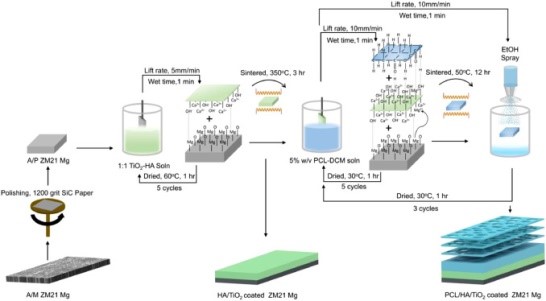
| Abstract | A novel PCL/HA/TiO2 hybrid coating on ZM21 Mg alloy substrate has been investigated for corrosion resistance, biocompatibility and mechanical integrity loss in terms of bending, compressive and tensile strength in physiological media. The electrochemical measurement and in-vitro degradation study in SBF after 28 days showed that the PCL/HA/TiO2 hybrid coating reduced H2 evolution rate, weight loss, and corrosion rate by 64, 116 and 118 times respectively, as compared to uncoated ZM21 samples. The in-vitro cellular viability of L929 fibroblast cells on PCL/HA/TiO2 hybrid coating was found 50.47% higher with respect to control group, whereas bacterial viability was supressed by 57.15 and 62.35% against gram-positive Staphylococcus aureus and gram-negative Escherichia coli bacterial models. The comprehensive assessment indicates PCL/HA/TiO2 hybrid coating as a suitable candidate to delay early degradation and mechanical integrity loss of Mg-based alloys for devising biodegradable orthopaedic implant. |
| Faculty |
Dr. Uma Batra
|
|
umabatra@pec.edu.in
|
|
| Collaborations | Wichita State University, United States |
| More Information |
| Abstract | Mg and its alloys evince strong candidature for biodegradable bone implants, cardiovascular stents, and wound closing devices. However, their rapid degradation rate causes premature implant failure, constraining clinical applications. Bio-functional surface coatings have emerged as the most competent strategy to fulfill the diverse clinical requirements, besides yielding effective corrosion resistance. This article reviews the progress of biodegradable and advanced surface coatings on Mg alloys investigated in recent years, aiming to build up a comprehensive knowledge framework of coating techniques, processing parameters, performance measures in terms of corrosion resistance, adhesion strength, and biocompatibility. Recently developed conversion and deposition type surface coatings are thoroughly discussed by reporting their essential therapeutic responses like osteogenesis, angiogenesis, cytocompatibility, hemocompatibility, anti-bacterial, and controlled drug release towards in-vitro and in-vivo study models. The challenges associated with metallic, ceramic and polymeric coatings along with merits and demerits of various coatings have been illustrated. |
| Faculty |
Dr. Uma Batra
|
|
umabatra@pec.edu.in
|
|
| Collaborations | Wichita State University, United States |
| More Information |