
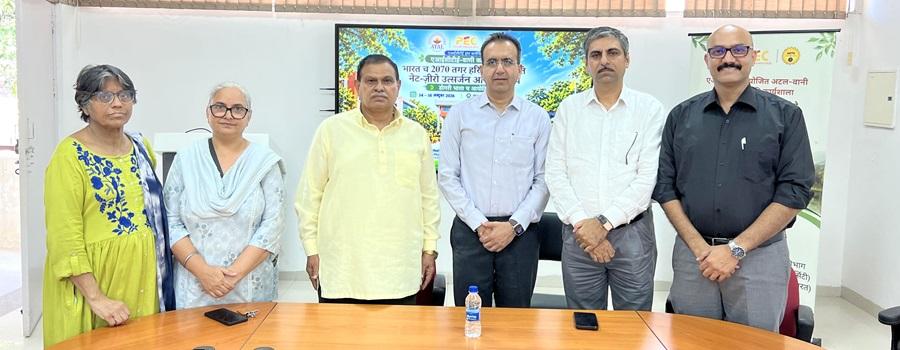
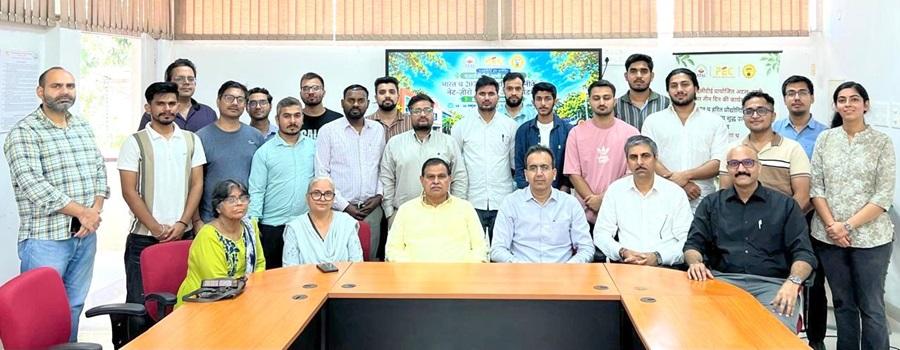
Punjab Engineering College (Deemed to be University), Chandigarh, successfully concluded its three-day AICTE-sponsored ATAL–VAANI workshop on “Roadmap for Green Technologies & Net Zero Emission in India by 2070” today. Conducted from 14 to 16 October 2026 in the Dogri language, the workshop aimed to promote green technologies, environmental sustainability, and the use of regional languages in technical education.
The valedictory ceremony was graced by Mr. Vivek Phonsa, Additional Secretary, Home Department, Government of Jammu and Kashmir, as the Guest of Honour. In his address, Mr. Phonsa appreciated the initiative taken by the coordinators, Dr. Manohar Singh and Dr. Jimmy Karloopia, in organising a technical workshop in Dogri and acknowledged their efforts to promote regional languages in technical education. He also commended the All India Council for Technical Education (AICTE) for its initiative to encourage the dissemination of technical knowledge through Indian languages. He emphasised that such initiatives play an important role in making scientific and technological education more inclusive and accessible to diverse linguistic communities while preserving and promoting India’s rich linguistic heritage.
The workshop was organised by the Department of Electrical Engineering and the Department of Production and Industrial Engineering at Punjab Engineering College. The initiative reflected the institution’s commitment to interdisciplinary collaboration, inclusive technical education, and sustainable technological development.
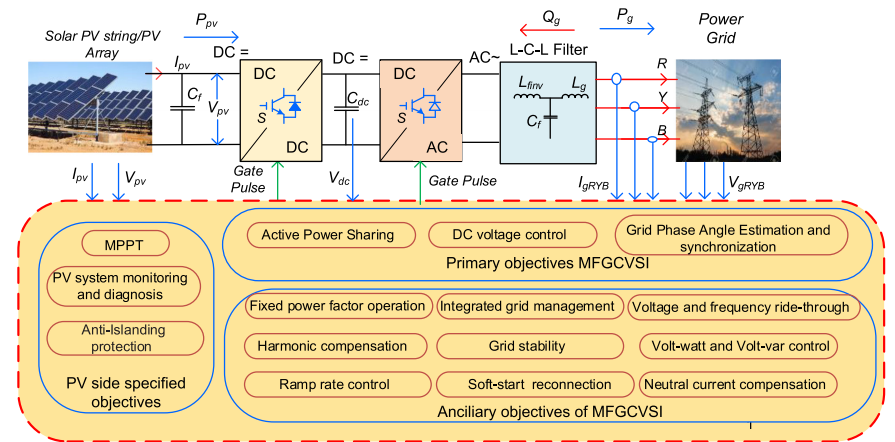
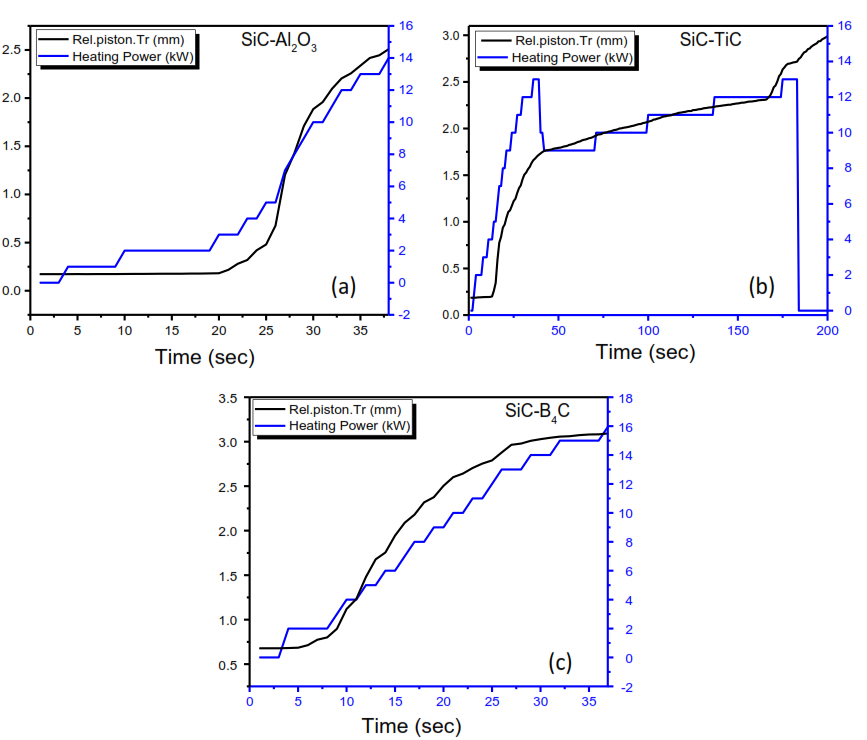
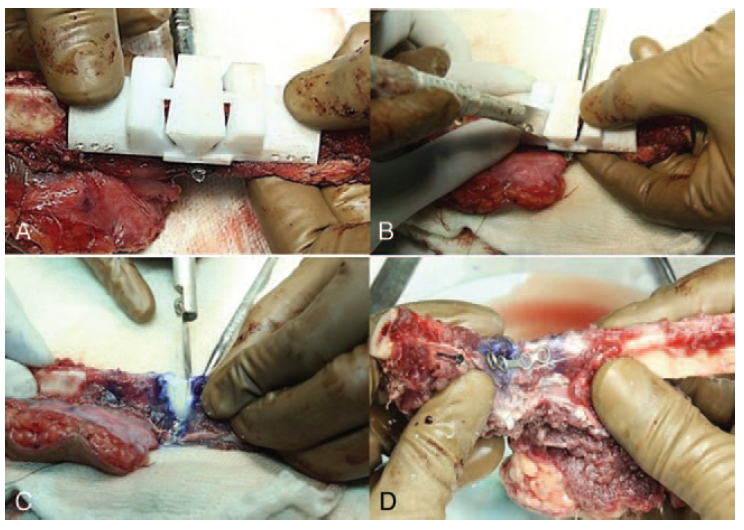
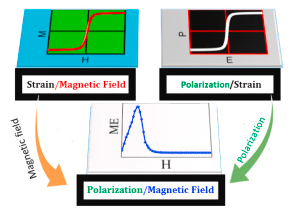
The technical programme featured expert lectures by distinguished academicians and professionals from various institutions on a wide range of topics, including energy security, waste-to-energy conversion, microwave hybrid heating for materials processing, smart manufacturing through the Industrial Internet of Things (IIoT), green building technologies, additive manufacturing, sustainable biomaterials, composite technology, waste management, and sustainable energy infrastructure. These sessions provided a valuable platform for exchanging ideas, sharing research insights, and exploring innovative approaches to sustainability and India’s vision of achieving net-zero emissions by 2070.
The workshop witnessed enthusiastic participation from over 100 academicians, experts, speakers, and participants representing institutions across Jammu, Himachal Pradesh, Punjab, Uttarakhand, Chandigarh, and New Delhi. The diverse participation encouraged knowledge exchange, interdisciplinary interaction, and collaborative discussions on green technologies, sustainable manufacturing, and environmental responsibility. The strong response highlighted the importance of sustainability-focused technical education and the role of regional languages in making scientific and technological knowledge more accessible.
The workshop was coordinated by Dr. Manohar Singh and Dr. Jimmy Karloopia, both of whom hail from Jammu and share a strong connection with the Dogri language and the cultural heritage of the region. Their initiative in organising a technical workshop in Dogri reflected their commitment to promoting regional languages in technical education and making scientific and technological knowledge more accessible and inclusive. The initiative also demonstrated the potential of Indian languages to bridge the gap between advanced technical knowledge and wider public understanding while strengthening awareness of green technologies and environmental sustainability.
The organisers expressed their sincere gratitude to AICTE for supporting the initiative and to Prof. Bhola Ram Gurjar, Hon’ble Vice-Chancellor of Punjab Engineering College, for his guidance and encouragement. They also acknowledged the support of the institute administration, both organising departments, invited speakers, faculty members, staff, and student volunteers whose valuable contributions helped ensure the successful conduct of the workshop.
The successful conclusion of the workshop reaffirmed the importance of promoting technical education through Indian languages while advancing green technologies, sustainable manufacturing, and environmentally responsible innovation. The initiative marked a meaningful step towards fostering inclusive technical education, strengthening academic collaboration across regions, and contributing to India’s long-term vision of a greener and more sustainable future.
About the ATAL–VAANI Initiative: Supported by the All India Council for Technical Education (AICTE), the VAANI initiative promotes the use of Indian languages in technical education. By conducting this workshop in Dogri, Punjab Engineering College sought to encourage inclusive learning and broaden access to scientific and technological knowledge while addressing critical sustainability challenges.